Neurotransmitter
Dopamine
Dopamine helps shape movement, learning, motivation, and reinforcement: how experiences influence what we do again. Its activity varies across brain pathways. Researchers investigate these pathways in several mental health conditions. A change in one circuit does not establish a whole-brain excess or shortage, and dopamine alone does not explain pleasure or a diagnosis.
A messenger’s role depends on its receptors, timing, and the network it acts within.
Neurotransmitter
Serotonin
Serotonin participates in mood, sleep, and digestion, among other functions. Some psychiatric medications change serotonin signaling, but a medication's target is not a diagnostic test. Depression and anxiety involve multiple systems and life factors; describing them as a simple serotonin shortage leaves out that complexity.
A messenger’s role depends on its receptors, timing, and the network it acts within.
Neurotransmitter; also acts as a hormone
Norepinephrine
Norepinephrine helps regulate alertness and sleep, and also participates in blood-pressure regulation. Its effects depend on the cells and receptors involved. Research studies this signaling system in several conditions, but symptoms cannot tell you a person’s norepinephrine level.
A messenger’s role depends on its receptors, timing, and the network it acts within.
Neurotransmitter
GABA
GABA is a major inhibitory messenger: it generally reduces the likelihood that a receiving neuron will fire. This helps regulate activity within brain circuits. Some medicines act on GABA signaling. Their mechanism does not mean that every person with anxiety or sleep difficulties has too little GABA.
A messenger’s role depends on its receptors, timing, and the network it acts within.
Neurotransmitter
Glutamate
Glutamate is a major excitatory messenger, helping neurons pass information through brain networks. Its receptors are also involved in memory. Researchers study glutamate-related pathways in several conditions. Its many roles cannot be reduced to a single good or bad level, or used alone to explain someone’s symptoms.
A messenger’s role depends on its receptors, timing, and the network it acts within.
Neurotransmitter
Acetylcholine
Acetylcholine helps cells communicate in the brain, at muscles, and in the autonomic nervous system, which controls automatic body functions. Researchers study its role in memory-related circuits. Different receptors give it different effects. Memory or concentration difficulties need a broader assessment; they cannot be understood simply as an acetylcholine shortage.
A messenger’s role depends on its receptors, timing, and the network it acts within.
Peptide messengers / neuromodulators
Endorphins & opioids
Endogenous opioids are signaling molecules made by the body; endorphins are one part of this system. They act at opioid receptors and participate in pain regulation, stress responses, and reward. Researchers are exploring these pathways in mental health, but their natural presence does not make taking opioid drugs an equivalent or safe way to improve mood.
A messenger’s role depends on its receptors, timing, and the network it acts within.
Signaling molecules / neuromodulators
Endocannabinoids
Endocannabinoids are messengers the body makes that act at cannabinoid receptors. Their signaling system helps regulate responses to stress and participates in sleep, pain, and other body processes. It remains an active area of research. This system's existence does not establish that cannabis products will safely or effectively treat a particular mental health condition.
A messenger’s role depends on its receptors, timing, and the network it acts within.
Hormone, not a neurotransmitter
Cortisol
Cortisol is an adrenal hormone carried through the bloodstream. It helps the body respond to stress and regulate metabolism, inflammation, and blood pressure. Levels normally change during the day. Cortisol tests can investigate endocrine conditions, but a result needs clinical context and is not a stand-alone test for a mental health diagnosis.
A messenger’s role depends on its receptors, timing, and the network it acts within.
Substances & signaling
Alcohol
Alcohol affects several messenger systems, including GABA and glutamate, shifting how strongly nerve cells inhibit or excite one another.
- GABA signaling
- Glutamate signaling
- Reward & stress circuits
During use
Memory, coordination, judgment, and alertness can change during drinking.
With repeated use
With repeated heavy use, the brain adapts; stopping can then cause withdrawal, while cues and stress can strengthen urges to drink.
Recovery & care
Some thinking and brain changes can improve with recovery, but the amount and pace vary.
Adaptation is a reason to seek support, not a personal failure. After prolonged heavy drinking, seek medical help before stopping suddenly; withdrawal can cause life-threatening seizures.
Substances & signaling
Opioids & fentanyl
Opioids act at opioid receptors involved in pain and other functions; they can also engage reward-related signaling.
- Opioid receptors
- Reward learning
- Breathing regulation
During use
Pain relief, sleepiness, and pleasure may occur, but breathing can slow or stop.
With repeated use
Repeated use can produce tolerance and physical dependence; addiction involves a broader pattern of loss of control and harm.
Recovery & care
Treatment can support recovery. Tolerance can fall after a break, making return to previous use especially dangerous.
Fentanyl overdose is a breathing emergency. If someone cannot wake or is breathing slowly, give naloxone if available, call emergency services, and stay with them.
Substances & signaling
Cocaine & methamphetamine
Cocaine blocks transmitter recycling; methamphetamine also promotes transmitter release. Dopamine and norepinephrine signaling are among the systems affected.
- Dopamine signaling
- Norepinephrine signaling
- Transporters
During use
People may feel energized or alert while heart strain, anxiety, overheating, or paranoia can develop.
With repeated use
Repeated use can strengthen cue-driven urges and disrupt sleep, mood, and thinking; a crash may bring exhaustion or depression.
Recovery & care
Improvement is possible, but cravings and some symptoms can last beyond the initial withdrawal period.
Feeling more awake does not mean the brain or body is working safely. Chest pain, seizures, severe overheating, or stroke symptoms need emergency care; slowed breathing may indicate an opioid exposure too.
Substances & signaling
Nicotine
Nicotine activates nicotinic acetylcholine receptors and influences reward-related dopamine signaling.
- Nicotinic acetylcholine receptors
- Dopamine signaling
- Learned cues
During use
It can change alertness and reinforce taking another puff or using another product.
With repeated use
Receptor systems adapt with repeated exposure. Routines and cues also become linked to use; withdrawal can cause irritability, trouble concentrating, sleep changes, and cravings.
Recovery & care
Withdrawal usually eases with time, but triggers can return. Counseling and approved cessation treatments can help.
A craving is a learned and biological response that can change. Severe or worsening mood symptoms deserve clinical help; seek urgent help if you feel unsafe.
Substances & signaling
Cannabis / THC
THC acts at cannabinoid receptors in many brain areas, changing signaling within and between regions.
- Cannabinoid receptors
- Memory signaling
- Reward learning
During use
Short-term memory, attention, coordination, and perception can change; some people experience anxiety or paranoia.
With repeated use
Frequent use can lead to cannabis use disorder and withdrawal symptoms such as irritability or sleep problems.
Recovery & care
Effects vary with product, potency, age, and use history. Improvement after stopping is possible, but this model cannot predict a person's recovery.
A natural origin does not make a THC product harmless. Avoid driving while impaired. Severe confusion or repeated vomiting needs medical assessment; edibles can have delayed effects.
Substances & signaling
Benzodiazepines & sedatives
Benzodiazepines and many other sedatives strengthen GABA-related inhibitory signaling, though different medicines act in different ways.
- GABA receptors
- Arousal
- Memory & attention
During use
They may reduce anxiety or promote sleep while also affecting alertness, memory, and coordination.
With repeated use
Physical dependence can develop even when a benzodiazepine is taken as prescribed; this alone does not establish addiction.
Recovery & care
Withdrawal and adjustment vary substantially, so changes need an individualized plan with the prescribing clinician.
Medicines can be useful and still require careful follow-up. Do not stop benzodiazepines abruptly. Withdrawal can cause seizures; combining them with alcohol or opioids can dangerously suppress breathing.
Substances & signaling
Classic psychedelics
Classic psychedelics such as psilocybin and LSD mainly act at serotonin 5-HT2A receptors and alter communication among brain regions.
- Serotonin 5-HT2A receptors
- Perception
- Network communication
During use
Perception, emotions, and sense of self can change; fear and confusion can occur.
With repeated use
Tolerance can develop. Available evidence suggests these drugs do not typically produce addiction, but they can still cause harm.
Recovery & care
Persistent perceptual symptoms are reported in some people, and long-term effects remain under study.
A vivid experience is not proof of healing or a chemical reset. Severe confusion, dangerous behavior, or ongoing distress needs professional help. Research settings do not establish safety for unsupervised use.
Substances & signaling
MDMA
MDMA changes transmitter release and recycling involving serotonin, dopamine, and norepinephrine.
- Serotonin signaling
- Dopamine signaling
- Norepinephrine signaling
During use
It may increase energy, emotional warmth, and sensory sensitivity, while also raising heart rate and body temperature.
With repeated use
Regular use has been associated with sleep, mood, memory, and attention problems. Some people report cravings, tolerance, or other use-disorder symptoms; important uncertainties remain.
Recovery & care
There is no reliable universal timetable for recovery or for a supposed serotonin refill.
MDMA is not simply the same mechanism as LSD or psilocybin. Severe overheating or confusion needs emergency care. Unknown ingredients and interactions with other substances can increase risk.
Substances & signaling
Ketamine & dissociatives
Ketamine and PCP disrupt glutamate signaling by blocking NMDA receptors; the wider effects involve several interacting systems.
- Glutamate NMDA receptors
- Perception
- Memory & attention
During use
People can feel detached from their body or surroundings and have impaired perception, attention, or memory.
With repeated use
Repeated nonmedical ketamine use can involve cravings and other use-disorder symptoms; frequent use can also harm the bladder.
Recovery & care
Long-term outcomes and the pace of improvement vary, and ongoing cognitive or urinary symptoms deserve assessment.
Medically supervised use and nonmedical use have different safeguards. Inability to wake or trouble breathing is an emergency. Seek care for bladder pain or urinary symptoms.
Selected mental health topics
Depression
Depression can make life feel heavy, empty, or less rewarding. Energy, concentration, appetite, and sleep may change, and familiar activities may stop feeling enjoyable.
Brain research in context
Research examines reward networks and signaling involving serotonin, dopamine, and other messengers, alongside genetic, psychological, and environmental factors. These are interacting systems; a serotonin measurement does not establish depression.
Assessment & care in general
Assessment looks at the pattern and duration of symptoms and possible medical causes. Care may include psychotherapy, medication, or both.
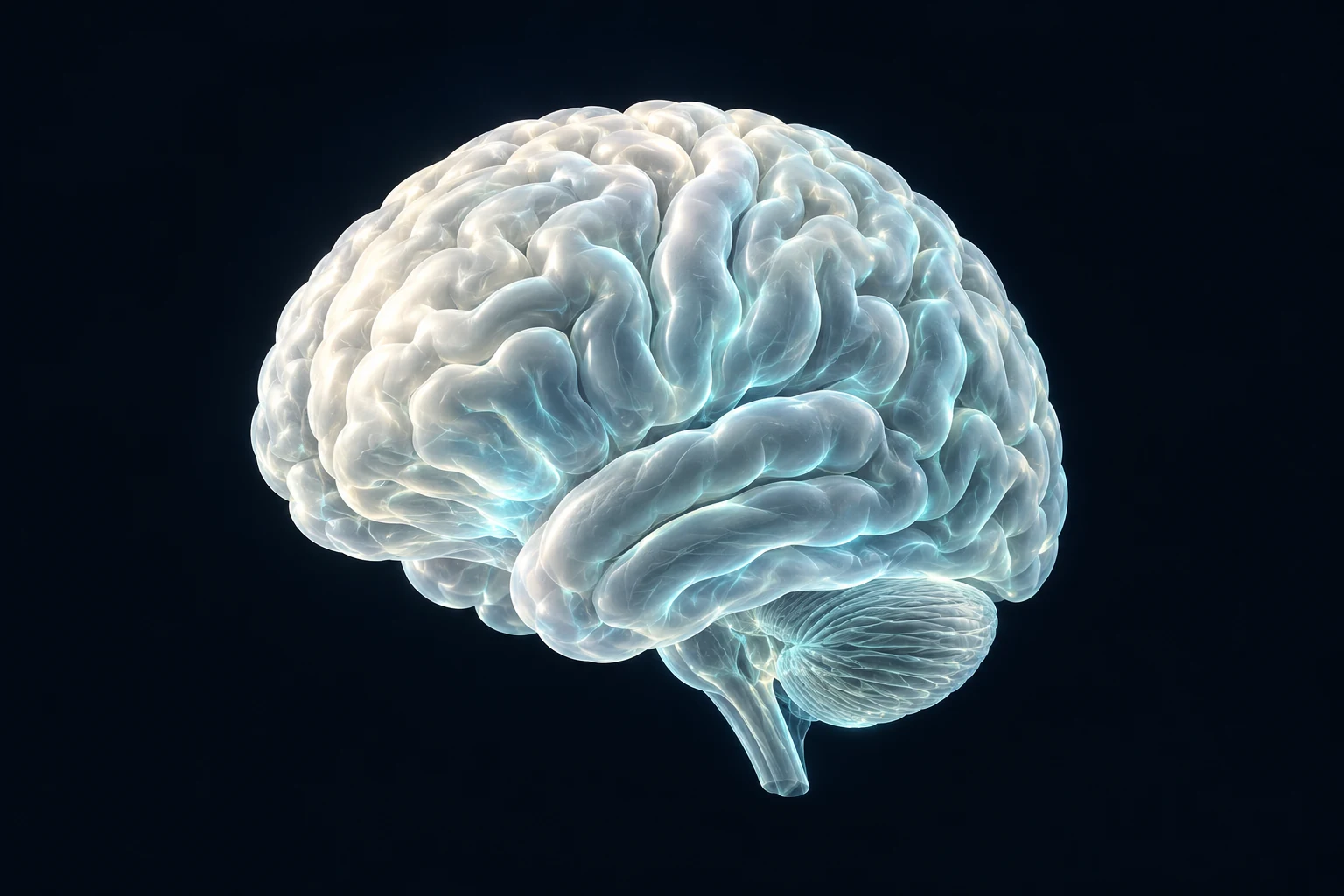
Symptoms and life history guide assessment. This illustration cannot identify a diagnosis or measure your brain chemistry.
Selected mental health topics
Anxiety disorders
Anxiety disorders can bring persistent worry, panic, avoidance, muscle tension, or a sense that danger is close. The experience varies across generalized anxiety, panic, social anxiety, and phobias.
Brain research in context
Researchers have examined how the amygdala and prefrontal regions participate in threat responses and fear regulation. Genetics, learning, stress, and environment also matter. These findings do not identify a single chemical cause or replace a clinical assessment.
Assessment & care in general
Treatment depends on the type of anxiety and may include cognitive behavioral therapy, exposure-based approaches when appropriate, and medication. Care also considers sleep and other conditions that may intensify symptoms.
Symptoms and life history guide assessment. This illustration cannot identify a diagnosis or measure your brain chemistry.
Selected mental health topics
Bipolar disorders
Bipolar disorders can include episodes of mania or hypomania, depression, or milder recurring mood symptoms. During an elevated episode, someone may need much less sleep, feel unusually energized or irritable, speak quickly, or make uncharacteristic decisions.
Brain research in context
Researchers study emotion-regulation circuits, communication between brain cells, and biological rhythms. The causes involve multiple factors and remain incompletely understood; no blood test or brain scan establishes the diagnosis.
Assessment & care in general
An evaluation considers mood and energy changes over time, including past elevated episodes. Ongoing care commonly combines mood-stabilizing medication, psychotherapy, education, and support for regular routines, with a plan for recognizing and responding to returning symptoms.
Symptoms and life history guide assessment. This illustration cannot identify a diagnosis or measure your brain chemistry.
Selected mental health topics
PTSD
After trauma, some people continue to feel on guard or experience unwanted memories, nightmares, avoidance, guilt, or emotional numbness. PTSD can affect sleep, relationships, and the ability to feel safe.
Brain research in context
Research has examined threat-learning systems involving the amygdala, hippocampus, and other connected regions. These findings help investigate how danger and safety are learned; they do not provide a brain-chemical test for PTSD.
Assessment & care in general
Diagnosis considers symptoms, their duration, and their impact. Care may include psychotherapy that addresses trauma, medication, and support for co-occurring conditions. When danger is ongoing, addressing the person's current situation is part of care.
Symptoms and life history guide assessment. This illustration cannot identify a diagnosis or measure your brain chemistry.
Selected mental health topics
Psychosis & schizophrenia
Psychosis can involve hearing or seeing things others do not, strongly held beliefs that conflict with shared reality, or difficulty organizing thoughts. Schizophrenia can also affect motivation, emotional expression, and thinking skills. Psychosis has several possible causes and does not always mean schizophrenia.
Brain research in context
Research explores brain connectivity and signaling involving dopamine and glutamate; no single chemical level explains all symptoms or establishes a diagnosis.
Assessment & care in general
A thorough assessment also considers mood disorders, medical conditions, sleep, and substance use. Early care can include medication, psychotherapy, family education, and coordinated support for work, school, and the person's recovery goals.
Symptoms and life history guide assessment. This illustration cannot identify a diagnosis or measure your brain chemistry.
Selected mental health topics
ADHD
ADHD is a developmental condition that can make it difficult to sustain attention, organize tasks, manage time, or pause before acting. Restlessness may be visible or felt internally. Symptoms begin in childhood, although recognition may come later.
Brain research in context
Research examines interactions between frontal brain regions and deeper learning and reward systems, along with dopamine and norepinephrine signaling. These findings are not an individual chemical test.
Assessment & care in general
Assessment considers development, symptoms across settings, and other explanations such as sleep problems. Care may combine medication, behavioral or psychological support, practical organization strategies, and school or workplace supports suited to the person's needs.
Symptoms and life history guide assessment. This illustration cannot identify a diagnosis or measure your brain chemistry.
Selected mental health topics
OCD
OCD can involve intrusive, unwanted thoughts or images and a strong urge to perform repeated actions or mental rituals. Rituals may briefly ease anxiety while taking increasing time and interfering with everyday life.
Brain research in context
Researchers study networks linking frontal and deeper brain regions involved in behavior and emotional responses; serotonin is also a treatment target. These observations do not show that one chemical imbalance causes OCD or provide a diagnostic test.
Assessment & care in general
Care often includes exposure and response prevention, a specialized form of cognitive behavioral therapy, medication, or both. Assessment offers a place to discuss distressing thoughts without assuming they reflect intent.
Symptoms and life history guide assessment. This illustration cannot identify a diagnosis or measure your brain chemistry.
Selected mental health topics
Sleep & insomnia
Insomnia can mean difficulty falling asleep, staying asleep, or feeling restored despite having time to sleep. Daytime concentration, mood, and energy can suffer.
Brain research in context
Sleep depends on interacting systems, including the brain's circadian clock and sleep-pressure signals such as adenosine. A single chemical reading cannot explain a person's sleep difficulty.
Assessment & care in general
Assessment considers sleep patterns, health conditions, medications, and substances; some people need evaluation for another sleep disorder. Cognitive behavioral therapy for insomnia is commonly the first treatment for chronic insomnia. Care may also address sleep habits, contributing conditions, and whether medication is appropriate for the individual's situation.
Symptoms and life history guide assessment. This illustration cannot identify a diagnosis or measure your brain chemistry.
Selected mental health topics
Co-occurring conditions
Mental health symptoms and substance use can become closely connected. Someone may struggle to control use, continue despite harm, or use substances while also experiencing depression, anxiety, or other symptoms.
Brain research in context
Research considers shared risks and interactions among reward, stress, habit, and decision-making systems. Dopamine is one part of this larger picture. Neither a single chemical reading nor the presence of both conditions establishes which came first.
Assessment & care in general
Comprehensive assessment helps clarify overlapping symptoms. Coordinated care can address both conditions through behavioral therapies, medication when appropriate, and practical support. Recovery goals and treatment choices should reflect the person's needs.
Symptoms and life history guide assessment. This illustration cannot identify a diagnosis or measure your brain chemistry.